
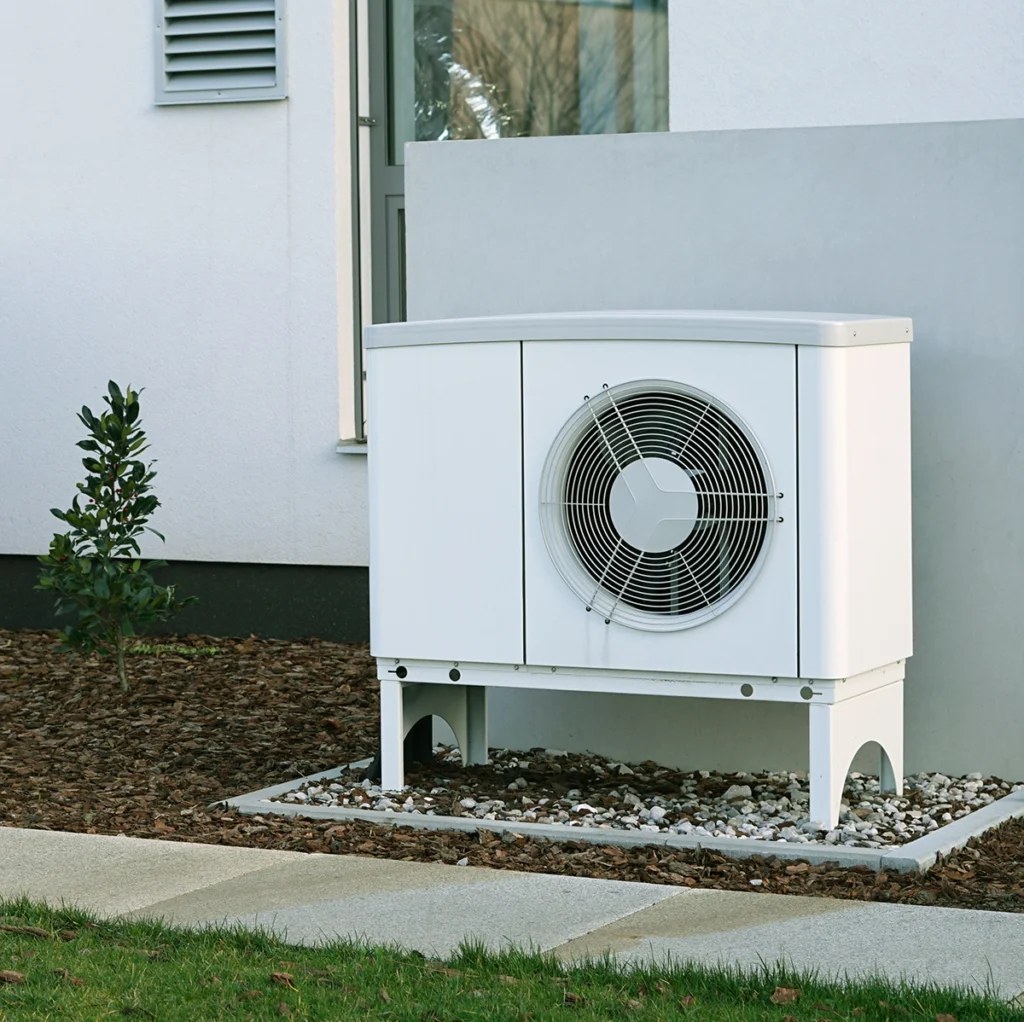
Heat Pump vs Furnace: Pros, Cons, and Key Differences
When property owners start comparing heat pump vs furnace options, the decision usually feels bigger than expected. From efficiency questions to long-term costs, there’s a lot to weigh. At C&R Services, we have these conversations every day with people looking for clear, practical guidance. Because both systems can heat a home effectively, the right choice often comes down to how each system works and what tradeoffs matter most. Although the comparison between a heat pump vs furnace often starts with upfront cost, performance and comfort usually play a bigger role in the final decision. Understanding those differences helps avoid regret later. How Heat Pump vs Furnace Systems Work A furnace and a heat pump operate in very different ways. That distinction shapes everything from efficiency to maintenance. A furnace generates heat by burning fuel or using electric resistance. It then distributes that heat through ductwork. This is known as forced-air delivery, and it’s why many property owners ask us to explain what forced air heating actually means before comparing systems. A heat pump, on the other hand, doesn’t create heat. Instead, it moves heat from outside air into the home. Even in colder weather, usable heat still exists outdoors. This is why heat pumps are able to operate so efficiently. According to the U.S. Department of Energy, modern heat pumps can reduce electricity use for heating by up to 75% compared to electric resistance heating such as furnaces and baseboard heaters. Heat Pump vs Furnace Efficiency and Energy Use Efficiency is one of the biggest reasons property owners explore heat pump vs furnace options. Heat pumps are among the most efficient heating systems available. Since they move heat instead of creating it, they deliver more energy than they consume. That efficiency is measurable. According to the U.S. Department of Energy, modern air-source heat pumps can deliver two to four times more heat energy than the electrical energy they use, depending on conditions. In contrast, even high-efficiency furnaces lose some energy during combustion. That said, efficiency changes with climate. In colder regions, heat pumps rely on built-in backup heating to maintain comfort. This backup is known as auxiliary heat, which activates when outdoor temperatures drop and the heat pump can’t keep up on its own. When EM Heat Comes Into Play In extreme cold, some systems switch to emergency heat. If you’ve ever seen “EM Heat” on a thermostat, it’s worth understanding what EM heat actually means and when it should be used. Emergency heat bypasses the heat pump entirely and relies on electric resistance heat, which is more expensive to operate. Heat Pump vs Gas Furnace: Comfort and Performance Many property owners ask us about heat pump vs gas furnace comfort differences. Furnaces produce hotter air during each cycle. Because of that, rooms may warm up faster. Heat pumps deliver steadier, lower-temperature air, which often feels more consistent. Neither approach is wrong. However, comfort expectations matter. People who prefer quick bursts of heat often lean toward furnaces. Meanwhile, those who value even temperatures usually prefer heat pumps. Maintenance and Longevity in a Heat Pump vs Furnace Comparison Maintenance requirements differ between heat pumps and furnaces, and those differences directly affect how long each system lasts. Furnaces rely on combustion to produce heat, which means several components require regular inspection and servicing. Burners, gas valves, and ignition systems must operate correctly to maintain efficiency and safety. One of the most important inspection points is the heat exchanger, since damage or deterioration can create safety concerns and shorten the system’s lifespan. Regular furnace maintenance focuses on combustion safety, airflow balance, and heat transfer efficiency. When these areas are neglected, wear accelerates and replacement timelines often shorten. That’s why we’re often asked how long furnaces typically last, since maintenance history plays a bigger role than age alone. Heat pumps avoid combustion entirely. Because they move heat rather than generate it, they eliminate risks tied to fuel burning and exhaust gases. However, they still require professional maintenance to remain efficient. Coil cleanliness, refrigerant charge, electrical components, and airflow all play a role in long-term performance. In practice, longevity for either system depends on consistent service, proper installation, and operating conditions. A well-maintained furnace or heat pump will almost always outlast a neglected one, regardless of system type. Heat Pump vs Furnace Cost Considerations Cost comparisons shouldn’t stop at installation. Although furnaces often cost less upfront, fuel costs fluctuate over time. Heat pumps typically cost more initially, but they can lower monthly energy bills in many situations. Over the lifespan of a system, that difference often matters more than the installation price alone. When comparing a heat pump vs gas furnace, fuel availability and long-term energy pricing often play a major role in total ownership costs. Beyond energy use, cost also ties into maintenance, system complexity, and when replacement becomes necessary. Furnaces rely on combustion components that may require more frequent inspection, while heat pumps depend on electrical and refrigerant systems that benefit from consistent professional service. For many property owners, the real cost question isn’t which system is cheaper today — it’s which system offers the most predictable expenses and value over time. That perspective often makes the heat pump vs furnace decision clearer. When a Heat Pump Makes Sense A heat pump is often the better option when: Energy efficiency is a priority Cooling and heating are both needed Long-term operating cost matters When a heat pump is the right fit, proper installation and ongoing service matter. At C&R Services, we provide heat pump installation, replacement, repair, and maintenance to support long-term performance. When a Furnace Still Makes Sense A furnace may still be the better choice when: Natural gas is affordable Cold weather dominates the heating season Existing ductwork supports high airflow Understanding those situations keeps the heat pump vs furnace comparison realistic. Making the Right Choice Choosing between heat pump vs furnace options doesn’t have to be overwhelming. At C&R Services, we help property owners weigh comfort, efficiency, and long-term