If you’ve been wondering, “what size mini split do I need?”, you’re not alone. At C&R Services, we get this question all the time from homeowners looking to upgrade their comfort and cut energy costs. The truth is, choosing the right size mini split is about more than square footage—it’s about finding the perfect balance between efficiency, power, and comfort. And because mini splits use heat pump technology, they don’t just cool your home, they also provide efficient heating when the weather turns cold. As technicians, we’ve seen both ends of the spectrum: systems that barely cool the space and others so oversized they short-cycle all day. Neither is good for your comfort or your wallet.
Why Sizing a Mini Split System Matters
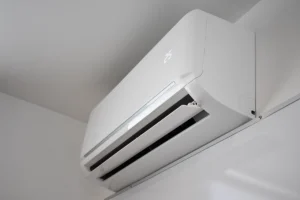
Before we get into sizing, it’s worth understanding what a mini split system actually is. In simple terms, it’s a type of heat pump that connects an outdoor unit to one or more indoor air handlers. Depending on the layout, mini splits can be ducted, ductless, or a mix of both, making them a flexible option for homes without traditional HVAC setups.
When homeowners ask what size mini split they need, they’re really asking how much heating and cooling capacity fits their home’s needs. Mini splits are measured in BTUs (British Thermal Units)—the higher the number, the more power it delivers. But bigger isn’t always better.
An oversized unit will cool or heat a room too quickly, shutting off before it can dehumidify properly. That leads to sticky air and uneven temperatures. On the flip side, an undersized unit struggles constantly, wasting energy while trying to keep up. (We’ve seen units in garages running nonstop in Texas summers—trust us, they don’t last long.)
How to Calculate What Size Mini Split You Need
So, what size mini split do you need for your space? The general rule of thumb is 20 BTUs per square foot of conditioned area. But this is just a starting point. Other factors like insulation, ceiling height, windows, and local climate can all affect your system’s true needs.
Here’s a quick breakdown to help you estimate:
| Room Size (sq ft) | Estimated BTU Capacity |
|---|---|
| 150–300 | 6,000 BTU |
| 300–500 | 9,000 BTU |
| 500–1,000 | 12,000–18,000 BTU |
| 1,000–1,500 | 18,000–24,000 BTU |
| 1,500–2,000+ | 24,000–36,000 BTU+ |
Still, this chart isn’t a replacement for a professional load calculation. If you’re serious about accuracy (and comfort), have a licensed HVAC technician run a Manual J calculation—the industry standard for properly sizing heating and cooling systems. You can learn more about what’s involved in a homeowner-friendly guide from Energy Vanguard.
Factors That Affect Mini Split Sizing
1. Insulation and Air Leakage
Poor insulation makes even a powerful unit work overtime. If your home leaks air through windows, doors, or duct gaps, your system’s performance will drop fast.
2. Ceiling Height
Taller ceilings mean more air to condition. If you’ve got vaulted or open-concept spaces, go a bit higher in BTUs.
3. Sun Exposure
Rooms that get a lot of sunlight—especially those facing west or south—tend to need extra cooling power depending on insulation and climate.
4. Local Climate
In warmer states like Texas or Florida, cooling demands are much higher than in northern regions. For colder climates, heating performance and heat pump efficiency matter most. If you’re curious how mini splits compare to traditional systems, check out our post on what forced air heating is — it breaks down how conventional HVAC systems move air.
(And if you live in a place like East Texas, where summers hit triple digits and winters can still surprise you, it’s best to size for both seasons.)
Professional Help: How C&R Services Gets It Right
At C&R Services, we don’t just guess when customers ask what size mini split they need. We measure, calculate, and verify—because every home is different. We look at room orientation, window types, insulation, and even your home’s construction materials. That’s what separates a precise installation from a rough estimate.
We also guide homeowners through single-zone vs. multi-zone systems, helping you decide whether one indoor air handler will do or if your setup needs multiple units for even coverage. (For example, that upstairs bonus room that’s always hotter than the rest? We’ve all seen that one.)
If you’re unsure, check out the Department of Energy’s guide to ductless heat pumps—it’s a great resource for understanding energy savings and system types.
Lifestyle Considerations
While sizing a mini split sounds technical, lifestyle plays a big role too. Do you cook often and heat up the kitchen? Do you prefer sleeping cold? Have pets that add body heat to a room? These details may sound small, but they help determine what size mini split you need to stay comfortable all year.
Because most mini splits are heat pumps, they deliver comfort in every season — heating in winter and cooling in summer — all with impressive energy efficiency. And if you’re switching modes for the first time, our quick guide on how to switch your AC to heat walks you through it step by step.
As techs, we’ve learned that comfort is personal. Some folks want steady cool air 24/7, while others just want to knock down the humidity. We tailor every recommendation to fit your habits, not just your square footage.
Choosing the Right Mini Split
Energy Efficiency and Rebates
Always look for ENERGY STAR® certified systems. They’re more efficient, last longer, and can help you qualify for utility rebates or federal tax credits, depending on your location and program eligibility. To see what’s available in your area, check the ENERGY STAR Rebate Finder.
Noise Levels and Design
Modern mini splits are quiet—some are whisper-level—but placement still matters. Don’t mount the indoor air handler right above your bed or sofa if you’re sensitive to sound.
Maintenance and Longevity
Even the best-sized system won’t perform well without maintenance. Schedule yearly service to clean coils, check refrigerant, and inspect electrical components. A small tune-up goes a long way.
Final Thoughts: What Size Mini Split Do I Need?
If you’re still wondering what size mini split you need, the answer depends on your home’s size, insulation, and comfort goals. Guessing can lead to uneven cooling, higher bills, and premature system wear. The smartest move? Have a professional assess your home before you buy.
At C&R Services, we help homeowners across Tyler and East Texas choose, install, and maintain perfectly sized mini split systems for long-lasting comfort. Whether it’s one room or the whole home, we’ll make sure your system fits your needs—no more, no less.
Contact us today to schedule a free estimate or consultation and get your comfort system sized right the first time.
FAQs About Mini Split Sizing
Before we wrap up, here are a few of the most common questions we hear from homeowners:
Yes! Most ductless mini split systems are heat pumps, which means they provide both heating and cooling. They transfer heat in or out of your home depending on the season. In winter, they pull heat from the outside air; in summer, they move it out to keep your space cool.
That depends on the system type. A single-zone mini split cools one room, while a multi-zone setup can handle several — each with its own indoor air handler.
With proper maintenance, most ductless mini splits last 15–20 years. Regular cleaning and annual tune-ups keep performance at its peak. Do mini splits heat and cool?
How many rooms can one mini split cool?
How long do mini splits typically last?
Ready to Find Out What Size Mini Split You Need?
Choosing the right system doesn’t have to be complicated. At C&R Services, we’ve helped countless homeowners find the perfect fit by asking the right questions and running precise load calculations. So instead of wondering what size mini split you need, let us take the guesswork out of it. Call or message our team today to get expert guidance and dependable heat pump services from technicians who know East Texas homes inside and out.