When people ask “what is a furnace,” they’re usually trying to understand how this equipment produces heat so reliably. I hear this question often during service calls for C&R Services, and it’s easy to understand why. Heating systems can look complicated, yet the basic idea is simple: a furnace creates heat, moves that heat through your home, and keeps temperatures consistent even when the weather changes. Because so many homeowners rely on this equipment, understanding how it works can help you recognize issues earlier and make smarter decisions about maintenance and efficiency.
What Is a Furnace? Understanding the Basics
A furnace is a heating system that creates heat and delivers it into the home, and not all of them work the same way. Older gravity furnaces and wall units rely on natural convection, while modern models use a blower to push warm air through ducts. No matter the design, the system begins by generating heat from fuel or electricity, then moving that heat into the living space. Because most homes today use forced-air units, we put together a helpful explanation of how forced air heating actually works for anyone who wants a closer look at the airflow side.
Types of Furnaces Found in Today’s Homes
Not all furnaces operate the same way, and the type of system you own affects everything from efficiency to maintenance needs. While many modern homes rely on forced-air equipment, several furnace styles are still found across the country. Understanding the differences helps you choose the right system and recognize how each one performs.
Gas Furnaces
Gas furnaces remain the most common type in U.S. homes. They heat quickly, deliver strong airflow, and usually cost less to operate than electric models in regions with affordable natural gas. Because they rely on combustion, they include safety components such as flame sensors, pressure switches, and sealed venting to manage fuel and exhaust safely.
Electric Furnaces
Electric furnaces don’t burn fuel. Instead, they use electric heating elements to warm air before circulating it through the ducts. These systems often last longer than combustion models and run quietly, but they typically cost more to operate. They’re most common in milder climates where heating demand is lower.
Propane Furnaces
Propane furnaces work much like gas units but use stored fuel rather than natural gas lines. Many rural homeowners depend on propane because it offers strong heat output without requiring a municipal gas connection. Because fuel is stored on-site, monitoring tank levels becomes part of routine home maintenance.
Oil Furnaces
Oil furnaces still appear in older homes and in areas where natural gas isn’t widely available. They produce very warm heat but require more frequent cleaning because oil combustion leaves residue inside the system. Regular nozzle, burner, and filter maintenance is especially important to keep an oil furnace operating efficiently.
Gravity and Wall Furnaces
Although less common today, some homes still use older gravity furnaces or wall-mounted units. Gravity systems rely on natural convection rather than a blower fan, allowing warm air to rise through the home without forced airflow. Wall furnaces operate as self-contained heating units that serve a single space or zone. While both are functional, they typically offer less efficiency and comfort control than modern forced-air systems.
Single-Stage, Two-Stage, and Modulating Furnaces
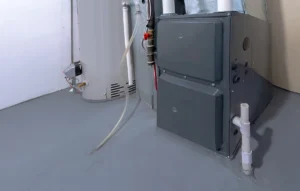
Beyond fuel type, furnace technology itself impacts comfort:
-
Single-stage furnaces run at full power every time they turn on.
-
Two-stage models operate at a lower setting during mild weather and switch to full output only when needed.
-
Modulating furnaces adjust heat output in very small increments, keeping temperatures extremely steady.
Homes with comfort complaints often benefit from the smoother operation of two-stage or modulating equipment.
Understanding AFUE and Why It Matters
When homeowners compare furnace models, efficiency is one of the first features they notice. Yet many people aren’t sure what those numbers actually mean. AFUE — or Annual Fuel Utilization Efficiency — describes how much of the fuel your furnace converts into usable heat. Higher numbers mean less waste and lower operating costs. Because even small efficiency differences add up over years of use, AFUE ratings play a major role in long-term comfort and energy spending.
What AFUE Percentages Look Like in Real Life
Furnaces vary widely in performance. Older units may operate at 60–70% AFUE, meaning a large share of energy is lost through exhaust. Standard modern systems usually offer 80% AFUE or higher, while high-efficiency condensing furnaces reach 90–98% AFUE. These advanced models reuse heat that would normally escape, making them ideal for homeowners looking to reduce energy consumption.
Why High-Efficiency Furnaces Are Becoming More Common
Energy costs continue to rise, and many homeowners want equipment that can keep monthly bills manageable. High-efficiency furnaces deliver more usable heat with less fuel, which leads to consistent comfort and reduced waste. Many states also encourage efficient heating systems because they support lower environmental impact. ENERGY STAR provides helpful guidance on ENERGY STAR® heating equipment, including performance expectations for high-efficiency models.
How Efficiency Impacts Fuel Type Choices
Efficiency ratings depend on both the technology inside the furnace and the fuel it uses. Gas models often deliver strong performance across all price ranges. Electric furnaces convert almost all incoming power into heat, but electricity costs in some regions can limit affordability. Oil furnaces are dependable but need more maintenance to stay efficient. Because these variables differ by home and climate, it helps to consider both the AFUE rating and local fuel prices when comparing systems.
When Upgrading an Older Furnace Makes Sense
Even if your current furnace still works, low efficiency can drive energy bills higher than necessary. Many homeowners start noticing the problem after several winters of rising costs. An upgrade becomes worth considering when the unit is more than 15 years old, requires repeated repairs, or runs with a noticeably lower AFUE rating than current models. Although replacement is a bigger investment, the long-term savings and improved comfort often justify the change.
If you’re unsure whether your system is nearing the end of its lifespan, our overview of how long furnaces typically last explains age expectations and the factors that influence replacement timing.
Why Furnace Efficiency Matters for Overall Comfort
Efficiency isn’t only about lowering utility costs. High-efficiency models heat more evenly and cycle less frequently, which leads to a much more comfortable home. Because the temperature stays steadier, your system doesn’t have to work as hard, which can also extend the life of major components. Understanding these benefits helps homeowners make smarter decisions when replacing older units or planning future upgrades.
How a Furnace Generates Heat Inside Your Home
Before breaking the process into individual steps, it helps to understand the overall flow of how heat is created and delivered. Modern furnaces follow a predictable sequence controlled by sensors, safety devices, and airflow components. Once you know the order of operations, it becomes much easier to spot early warning signs and understand what technicians look for during service calls.
The Core Stages of the Heating Process
Even though furnaces can look complex, the heating process follows a predictable sequence. Understanding these steps helps homeowners recognize early signs of trouble and understand what technicians look for during service calls. The process begins with a signal from the thermostat, then moves through ignition, heat creation, heat transfer, and airflow distribution.
Stage 1: The Thermostat Sends the Signal
When your home drops below the thermostat setting, the system activates. This message tells the control board to start the heating sequence. Although simple, thermostat issues are a common source of furnace problems. Weak batteries or loose wiring can interrupt heating cycles, yet these issues are usually easy to fix.
Because thermostat settings control the entire heating sequence, even small configuration issues can interrupt startup. If you’re transitioning from cooling to heating, our guide on how to switch your AC to heat correctly can help prevent misreads and short cycling.
Stage 2: Ignition Begins and the Burners Light
Modern furnaces use electronic ignition to improve safety and efficiency. When the igniter heats up, gas flows into the burners and the flame begins. If the flame sensor cannot detect a steady flame, the furnace shuts down to prevent fuel buildup. Because reliable fuel delivery is essential, issues with components like the gas valve can also interrupt ignition.
Stage 3: The Heat Exchanger Transfers Heat Safely
After the burners ignite, they heat the metal chambers known as heat exchangers. Air passes over these chambers and absorbs the warmth. Because combustion gases travel inside the exchanger, it must remain sealed to operate safely. Even small cracks can allow exhaust to escape into the home. Since the heat exchanger is so critical, many homeowners appreciate learning the early furnace heat exchanger warning signs, which explain why specialists inspect these components carefully.
Stage 4: The Blower Moves Warm Air Through the Home
Once the heat exchanger reaches the correct temperature, the blower fan turns on. It pulls cool air from the return ducts, pushes it across the heated exchanger, and distributes warm air through supply ducts. Proper airflow is essential. Dirty filters, blocked vents, or duct leaks can reduce circulation and force the system to work harder than necessary. Thankfully, these airflow problems are often simple to correct.
Stage 5: Exhaust Gases Vent Safely Outdoors
Combustion gases travel through a dedicated venting system. Standard furnaces rely on metal flues, while high-efficiency units use PVC vent pipes because their exhaust temperatures are lower. Any obstruction or backdrafting can create safety concerns. The CDC offers important guidance on carbon monoxide safety, including warning signs homeowners should watch for.
Why This Process Matters
When you understand how heat moves through these stages, it becomes easier to spot problems early. Each step depends on clean airflow, responsive sensors, and a properly sealed heat exchanger. If one stage slows down, comfort drops quickly. Awareness helps homeowners ask the right questions and schedule repairs before small issues become costly failures.
How a Furnace Moves Air Through Your Home
Airflow is just as important as heat production when it comes to keeping your home comfortable. Every furnace relies on a steady supply of return air, properly designed ductwork, and a healthy blower system to distribute warm air evenly. Even the most efficient furnace cannot maintain comfort if airflow is restricted or ductwork is poorly designed. Because so many heating problems begin with circulation issues, technicians pay close attention to how air enters, travels through, and exits the system.
How Air Enters the Furnace System
Airflow begins at the return ducts. These openings pull cool air from the home and route it back to the furnace. When returns are blocked by furniture, rugs, or closed doors, the furnace struggles to draw enough air. This creates stress on the blower motor and reduces system efficiency. Thankfully, these issues are simple for homeowners to correct by keeping airflow paths open.
How the Furnace Blower Pushes Air Into the Home
After heat transfers through the exchanger, the blower fan distributes warm air into the supply ducts. These ducts carry heat to every room. When the blower operates correctly, airflow feels steady and balanced. However, dust buildup, worn belts, or failing motors can weaken circulation. Because airflow directly affects comfort, technicians often check blower performance during routine maintenance.
Why Ductwork Design Matters So Much
Duct layout determines how evenly warm air reaches the home. Long duct runs, sharp turns, and unsealed joints allow heat to escape before it reaches living spaces. Homes with older ductwork often lose a surprising amount of heat due to leaks. ENERGY STAR notes that many homes lose 20–30% of heated air through duct leaks, which increases run time and operating costs.
The Role of Furnace Filters in Airflow Health
Filters protect both indoor air quality and furnace components. When filters clog, airflow drops quickly. Reduced circulation forces the furnace to work harder to maintain temperature, which may cause overheating or short cycling. Most homeowners can avoid these issues by checking filters regularly and replacing them as needed.
Signs of Furnace Airflow Problems
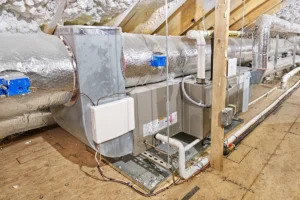
Several symptoms point to circulation issues:
-
Rooms that feel warmer or cooler than others
-
Weak airflow at supply vents
-
Rising utility bills despite similar heating use
-
Hot or cold spots during long heating cycles
These issues often appear before major system failures. Because airflow affects every stage of the heating cycle, early attention helps prevent unnecessary repairs.
Why Furnace Airflow Education Helps Homeowners
Understanding how warm air moves through the home helps you troubleshoot common problems, adjust vents correctly, and recognize when professional care is needed. With even minor airflow improvements, most homeowners notice better comfort and smoother furnace performance.
How Modern Furnace Systems Improve Comfort and Performance
Modern furnaces include features that older systems simply couldn’t offer. From multi-stage heating to advanced diagnostics, today’s equipment is designed to improve efficiency, safety, and everyday comfort. While modern units may look similar to older models on the outside, the technology inside has advanced dramatically over the past two decades. These upgrades help homeowners manage energy use, enjoy steadier temperatures, reduce noise, and make more informed decisions when planning replacements.
Multi-Stage and Modulating Heating for Better Comfort
Older furnaces operated in only two modes: on or off. Modern systems can adjust how much heat they produce. Multi-stage furnaces run at a lower setting most of the time and switch to full power only when needed. Modulating furnaces take this idea even further by adjusting output in very small increments. Because of this, the home stays warmer with fewer temperature swings. These features also help reduce energy use during mild weather.
Variable-Speed Blowers Improve Airflow and Efficiency
Many new furnaces use variable-speed blowers instead of fixed-speed motors. These blowers adjust airflow automatically to maintain even temperatures throughout the home. They also move air more quietly, which many homeowners appreciate. When paired with multi-stage heating, variable-speed blowers can significantly improve indoor comfort and reduce operating costs.
Smart Thermostat Compatibility
Most modern systems work seamlessly with smart thermostats. These devices learn household patterns, track local weather, and adjust heating cycles automatically. Because they make small corrections throughout the day, they often reduce energy use without sacrificing comfort. Smart thermostats can also alert homeowners to maintenance needs or unusual performance changes. ENERGY STAR offers helpful guidance on choosing efficient smart thermostats and explains how these features can improve heating performance.
Advanced Safety and Diagnostic Features
Safety controls have improved in every generation of modern furnaces. Sensors monitor flame quality, venting performance, blower operation, and internal temperatures. When something looks unsafe, the system shuts down and stores diagnostic codes to help technicians pinpoint the problem. These updates make troubleshooting faster and help prevent small issues from turning into costly repairs.
Quieter Heating Through Better Engineering
Noise reduction is another area where modern furnaces outperform older equipment. Manufacturers have redesigned blower compartments, added better insulation, and improved cabinet construction. These changes help reduce vibrations and airflow noise. As a result, many new systems produce a softer, steadier sound that blends into normal household activity.
Why Understanding Modern Furnace Features Helps Homeowners
Learning how today’s heating systems operate helps homeowners make informed choices when replacing older equipment. These improvements also explain why a furnace in good condition can heat a home more evenly, run quieter, and cost less to operate. Because modern technology continues to evolve, staying familiar with these features can help you plan upgrades that match your comfort needs and budget.
Fuel Types and How They Influence Furnace Operation
Different furnaces rely on different energy sources, and the type of fuel your system uses affects everything from efficiency and heating speed to long-term operating costs. Each fuel behaves differently, which means performance, maintenance needs, and energy consumption can vary widely. Natural gas offers fast, efficient heating, while electric furnaces provide quiet, combustion-free operation. Propane and oil remain dependable options in areas without gas lines. Understanding how these fuels differ helps homeowners choose a system that fits their climate, utility rates, and comfort expectations. The U.S. Department of Energy offers a clear overview of how these heating systems work and what factors matter most when choosing between them.
Natural Gas: The Most Common Fuel Source
Natural gas furnaces remain the most widely used option in the United States. They heat quickly, operate efficiently, and offer reliable performance in both mild and cold climates. Many homeowners appreciate how predictable gas heating feels during long winter stretches. Since gas furnaces pair well with high-efficiency designs, they continue to be the preferred choice where gas lines are available.
Electric Furnaces: Simple and Versatile
Electric furnaces convert nearly all incoming power into heat. Because of that, they deliver consistent performance without combustion or exhaust. They also tend to run quietly and require less maintenance. However, electricity costs vary widely by region. In areas with high utility rates, electric heat can become expensive during long heating cycles. This fuel type often works best in milder climates that need heat only part of the year.
Propane: A Flexible Option for Rural Homes
Propane furnaces offer solid heating power for homes without access to natural gas. These units store fuel in on-site tanks, which gives homeowners more control over supply and delivery timing. Propane burns hotter than natural gas, which helps the furnace warm a home quickly. However, tank refills and market pricing can affect overall heating costs. Still, propane remains a dependable option for many rural households.
Oil Furnaces: Strong Heat Output With Higher Maintenance Needs
Oil furnaces still appear in certain regions, especially older homes in the Northeast. They produce strong, steady heat and perform well in cold climates. However, oil systems require more frequent upkeep. Filters, nozzles, and storage tanks all need attention to stay clean and efficient. The U.S. Energy Information Administration offers helpful fuel comparisons and price trends for homeowners considering oil, propane, or electricity.
How Furnace Fuel Type Affects Efficiency and Cost
Fuel choice influences both efficiency and long-term affordability. Natural gas and propane often deliver the best balance of speed and cost. Electric units offer simplicity and safety but depend heavily on the local price of electricity. Oil furnaces provide strong heat but need consistent maintenance. When combined with AFUE ratings, fuel type plays a major role in operating cost across the furnace’s lifespan.
Matching the Right Fuel Type to Your Climate
Climate has a major impact on how efficient each fuel type feels. Homes in colder regions usually benefit from the heating speed and consistent output of gas or propane systems. Homes in milder climates may prefer electric furnaces because they avoid combustion and require less upkeep. Considering local temperatures, utility rates, and fuel availability helps homeowners make choices that match their comfort needs and budget.
Why Understanding Furnace Fuel Types Helps Homeowners Plan Ahead
Knowing how each fuel behaves allows homeowners to compare systems with confidence. It also helps you predict energy costs, schedule maintenance properly, and evaluate whether an upgrade could reduce long-term expenses. Because furnaces remain one of the most important systems in a home, understanding your fuel options is an essential step toward better comfort and better planning.
Key Safety Features Built Into Modern Furnace Systems
Modern furnaces are designed with multiple layers of protection to keep your home safe during everyday operation. These systems continuously monitor temperature, airflow, ignition, and ventilation to prevent dangerous conditions before they develop. Although these safeguards work quietly in the background, understanding them helps homeowners recognize early warning signs and appreciate the importance of routine inspections.
Furnace Limit Switches Prevent Dangerous Overheating
One of the most important furnace safety features is the limit switch. This sensor monitors internal temperature and shuts down the burners if the furnace gets too hot. Overheating may happen when airflow is restricted, filters are clogged, or the blower fails to turn on. Thankfully, limit switches respond quickly, preventing damage to major components and reducing fire risk.
If the furnace begins overheating frequently, the limit switch may trip more often than normal. This repeated activation is usually a sign that the system is struggling with airflow or mechanical issues that need attention. For a clearer explanation of how this component works, our guide on what a furnace limit switch does and why it matters walks through the issues homeowners see most often.
Furnace Flame Sensors Ensure Safe Burner Operation
The flame sensor verifies that the burners ignite correctly. If the furnace fails to detect a clean, stable flame, the system shuts off the gas supply. This prevents unburned fuel from accumulating inside the furnace. When flame sensors become dirty or corroded, they may misread the flame signal and trigger short cycling. Cleaning or replacing this sensor is a common maintenance task and restores safe operation.
Furnace Pressure Switches Protect the Venting System
Pressure switches confirm that exhaust gases move through the venting system the way they should. If the vent is blocked, iced over, or leaking, the pressure switch stops the furnace from running. This prevents combustion gases from escaping into the home. High-efficiency furnaces rely heavily on properly functioning pressure switches because their PVC vent pipes can develop moisture or ice buildup during winter.
Rollout Switches Guard Against Flame Movement
Some systems include rollout switches that detect flames moving outside the burner area. Flame rollout can happen when the heat exchanger becomes damaged or blocked. Because this situation can be dangerous, rollout switches shut the furnace down instantly. Technicians always take rollout switch activation seriously, as it often signals deeper mechanical problems.
Integrated Controls Improve Diagnostics and Safety
Most modern furnaces include an integrated control board that monitors the entire heating sequence. This board tracks ignition, airflow, sensors, and flame quality. If something unusual appears, the system records a fault code, which makes troubleshooting faster. Many control boards also contain built-in delays that protect components from rapid cycling or electrical surges.
Carbon Monoxide Awareness Matters for Every Home
Although furnaces include multiple safety systems, homeowners should remain aware of carbon monoxide risks. Poor venting, cracked heat exchangers, or blocked flues can allow CO to enter the home. Because carbon monoxide is odorless and dangerous, every home with fuel-burning appliances should install CO detectors. The U.S. Consumer Product Safety Commission provides clear guidance on CO alarms and safety practices.
Why Furnace Safety Features Become Even More Important in Winter
Furnaces run longer and harder during cold weather. Because of this strain, sensors and controls often intervene more frequently. Routine maintenance becomes especially valuable during these periods. A technician can clean sensors, check venting, confirm proper ignition, and inspect the heat exchanger. These steps help prevent safety shutdowns during the season when homeowners rely most on their heating system.
How Understanding Furnace Safety Controls Helps Homeowners
When you know what these safety components do, it becomes easier to recognize when something isn’t right. Strange noises, short cycling, or unexpected shutdowns may indicate that a sensor is working to protect the system. Awareness helps homeowners respond quickly and avoid larger issues while keeping the home safe.
Common Signs Your Furnace Needs Attention
Even well-maintained furnaces show signs of wear as the system ages. Many of these symptoms appear gradually, and homeowners may not notice them until comfort starts slipping. Because small issues often lead to larger repairs, recognizing these early warning signs can help prevent sudden breakdowns and higher operating costs.
Uneven Heating Throughout the Home
Rooms that seem warmer or cooler than others often signal airflow problems. Blocked vents, leaking ducts, or a weakening blower motor may all cause uneven temperatures. Although the furnace may still run, the system works harder than necessary. This extra strain reduces efficiency and increases long-term wear, especially during long heating cycles.
Sometimes airflow issues show up as cold or lukewarm air coming from the vents. If that happens, our guide on why a heater blows cold air can help you figure out whether the issue involves airflow, ignition, or thermostat misreads.
Unusual Noises Coming From the Furnace
Furnaces make some noise during operation, yet new or louder sounds usually point to trouble. Rattling may indicate loose components. Whistling often signals airflow restrictions. Banging can come from delayed ignition or expanding metal ducts. Because unusual noises often worsen over time, early evaluation helps prevent costly component damage.
Slow or Difficult Startup
If the furnace struggles to start, the ignition system may be wearing out. Dirty flame sensors, failing igniters, or weak thermostats can all cause delayed startup. Although the system may eventually heat the home, these hesitations often grow more frequent. Addressing them early prevents nuisance shutdowns and avoids unnecessary stress on the control board.
If your furnace hesitates, starts slowly, or fails to start altogether, ignition issues or sensor problems may be to blame. Our step-by-step guide on what to check when a furnace won’t turn on covers the most common causes homeowners encounter.
Furnace Short Cycling or Frequent On–Off Patterns
Short cycling occurs when the furnace turns on and off too quickly. This behavior increases energy use and accelerates wear on key components. Airflow problems, overheating, failing limit switches, or thermostat misreads often cause this cycle. Because short cycling signals that the system is protecting itself, it should never be ignored.
Rising Utility Bills Without Changing Usage
Higher energy costs may indicate that the furnace is losing efficiency. Dirty filters, weak blowers, or aging burners can all force the system to work harder than before. Many homeowners notice these changes during the coldest months, when the furnace has to run longer to maintain comfort. Addressing efficiency issues early keeps operational costs manageable.
Visible Water Around the Furnace
If you notice water pooling around the base of your furnace, the system may be struggling with clogged drain lines, condensation issues, or a failing internal component. Although homeowners often overlook moisture problems, they can lead to rust, electrical failures, or short cycling. If this symptom appears, you can learn more in our guide on common reasons a furnace leaks water and why quick attention matters.
Persistent Odors or Unusual Smells
A brief dusty smell is normal at the beginning of the heating season. However, ongoing odors may signal electrical problems, bacterial growth in ductwork, or combustion issues. Burning smells should always be taken seriously, especially if they appear during normal heating cycles. Because odor changes often precede system failure, prompt attention helps ensure safety.
Why Early Detection Saves Time and Money
Many furnace issues start small, yet they rarely stay that way. Catching problems early keeps the system running safely and prevents unexpected breakdowns during heavy use. When homeowners recognize the signs of trouble, they can schedule service before comfort declines or repair needs escalate.
When these issues show up, professional evaluation becomes the safest next step. Our heating repair services help address early performance problems before they turn into major system failures.
The Benefits of Knowing How Your Furnace Works
Knowing how a furnace works gives homeowners a clearer picture of what their heating system needs in order to run well. Even a basic understanding helps you make better decisions about maintenance, repairs, and energy use. Because furnaces operate quietly in the background, many issues go unnoticed until performance drops. Learning how the system produces heat, moves air, and protects itself helps homeowners stay ahead of problems.
Better Awareness Leads to Better Maintenance Decisions
Many furnace issues—like airflow restrictions, dirty filters, or weak ignition—start small. When homeowners recognize early warning signs, they can schedule service before efficiency drops or parts fail. This awareness also helps you understand what technicians look for during inspections, which makes maintenance visits more transparent and less stressful.
Routine upkeep makes a major difference in performance, especially before peak heating season. Our heating maintenance services outline the steps technicians take to keep your system running reliably.
Comfort Problems Become Easier to Diagnose
Uneven heating, long run times, or cold spots often point to airflow issues rather than major failures. When you understand how ducts, blowers, and heat exchangers work together, these symptoms make more sense. This knowledge helps you adjust vents correctly, identify blocked returns, and decide when professional help is necessary.
Energy Use Becomes Easier to Predict and Control
Furnaces account for a significant portion of winter energy costs. When you understand AFUE ratings, blower performance, and fuel differences, it becomes easier to estimate operating costs and choose upgrades that match your budget. Even small improvements, like better duct sealing or a higher-efficiency filter, can make the system run more smoothly.
Safety Awareness Helps Protect Your Home
Furnaces include several safety mechanisms that prevent overheating, ignition problems, and poor ventilation. When homeowners know what these components do, they can respond appropriately when something feels off. Strange smells, repeated shutdowns, or unexpected noises often indicate that a safety feature is doing its job. Recognizing this helps you act quickly and keeps your home protected.
Why Your Knowledge Supports Long-Term Furnace Health
The more homeowners understand about furnace operation, the easier it becomes to prevent avoidable repairs. Small steps—like replacing filters, watching for airflow changes, and paying attention to startup patterns—make a meaningful difference in performance. At C&R Services, we help homeowners every day who simply want fewer surprises and better heating results from their system.
Professional Heating Services From C&R Services
Even though many homeowners can handle basic furnace care, some parts of the system require trained attention. Professional service keeps heating equipment running safely, efficiently, and smoothly throughout the season. At C&R Services, we inspect every major component—including burners, exchangers, sensors, and airflow pathways—to make sure your furnace can handle changing temperatures without unexpected problems.
Why Professional Service Matters
Routine maintenance reduces wear, improves airflow, and helps prevent breakdowns during peak heating periods. Because furnaces rely on many connected parts, small issues often affect comfort long before the system stops working. Professional care catches these issues early, which protects the equipment and lowers long-term operating costs.
What Homeowners Can Expect During a Furnace Service Visit
During a typical inspection, our technicians check ignition performance, verify safety sensor operation, confirm proper venting, and evaluate the blower assembly. We also look for loose electrical connections, worn components, or airflow restrictions that may reduce efficiency. These steps help ensure steady, dependable heating throughout the year.
Support When You Need More Than Maintenance
Sometimes repairs or upgrades become the better choice. When the system struggles with rising utility bills, uneven heat, frequent cycling, or persistent noise, our team can recommend the right path forward. We also assist homeowners who want to compare furnace options or improve long-term efficiency. If you want a closer look at everything we offer—from diagnostics to full replacements—you can view our complete list of furnace services.
Trusted Heating Care for Tyler and the East Texas Region
Whenever you need professional help, our licensed technicians provide reliable furnace services for homes across Tyler and the surrounding East Texas communities. Whether you’re planning maintenance, need a repair, or want to understand your heating options, we’re here to help keep your home comfortable year-round. Contact C&R Services today to schedule an appointment or request expert guidance.
FAQs
Here are a few common questions homeowners ask when trying to understand their heating systems.
A furnace heats air and distributes it through ducts to warm the home. It repeats this cycle throughout the day to maintain steady, reliable comfort.
Most furnaces last 15–20 years, although factors like maintenance habits, usage, and installation quality can affect overall lifespan.
Furnaces benefit from routine filter changes, burner inspections, airflow checks, and annual tune-ups to keep components running safely and efficiently.
Call a professional if you notice unusual noises, weak airflow, rising utility bills, uneven temperatures, or any sudden changes in performance. What does a furnace do?
How long does a furnace usually last?
What maintenance does a furnace need?
When should I contact a technician?